Filed vs Unfiled Reeds: What's the Difference?
Updated Nov 13, 2026 · By  Jonah Mercer · Editorial policy
As an Amazon Associate I earn from qualifying purchases. Buying through the Amazon links on this page costs you nothing extra. Full disclosure
A filed reed has the bark filed away from the shoulders of the vamp, so the cut runs wider down the sides. An unfiled reed keeps the bark on those shoulders, so the cut stays in the center. The difference is in the cut, not the cane: both types fit the same mouthpiece.
What a filed reed looks like
Hold the reed with the flat side down and look at the vamp, the thin part that vibrates. On a filed reed, the bark is filed away from the shoulders on each side of the vamp, leaving a pale, smooth area where the file passed. The cut runs from the tip down past the shoulders, so the sides of the vamp are thinner than on an unfiled reed. The filed area is easy to see against the darker bark that remains on the stock.
What an unfiled reed looks like
On an unfiled reed, the bark stays on the shoulders of the vamp. The cut is only in the center, from the tip down to where the bark begins, and the sides of the vamp keep their bark. The reed looks darker across the shoulders than a filed reed, and the edge of the cut forms a clear line where the bark starts. The stock below the cut is the same on both types.
How the cut changes the response
Filing the shoulders lets the sides of the vamp move more freely, so a filed reed speaks with less air pressure at the start of a note. An unfiled reed holds more bark at the sides, so the vamp is stiffer at the edges and needs more air to start. The difference shows in articulation and in how the reed behaves at soft volumes, not in which notes the reed can play.
Which cut players choose
Players who want a quick response and a reed that starts with little air often pick a filed cut. Players who want more resistance at the edges and a reed that holds its shape under a firm embouchure often pick an unfiled cut. Neither cut is better on its own: the choice comes down to the mouthpiece, the strength of the reed and the way the player blows. Try a box of each cut at the same strength and compare them on the same mouthpiece.
How to check the cut when you buy
Look at the vamp before you buy, or ask the seller whether the reed is filed or unfiled. The box or the maker's description names the cut, and a filed reed shows the pale filed area on the shoulders. If the cut is not named, look for the bark: bark across the shoulders means unfiled, and a smooth filed area means filed. Keep the reed in its holder so the tip stays flat.
What you need
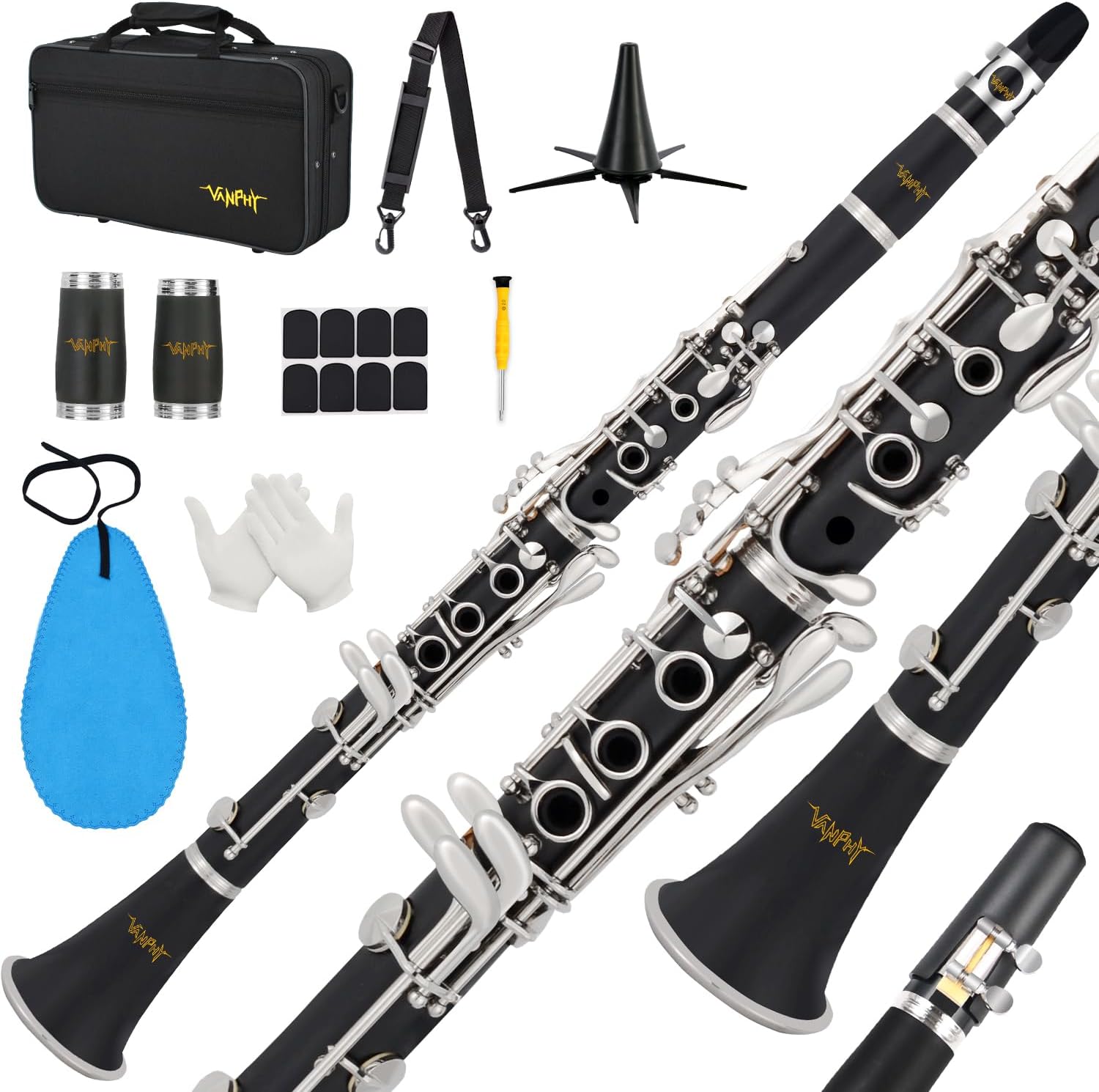
VANPHY Bb Clarinet 17 Keys Flat B Clarinet
A Bb clarinet with 17 keys, 2 barrels and a case, with reeds in the box, so a beginner can fit a filed or unfiled reed and compare them.
- Case or gig bag included
- Mouthpiece included
- Key: Bb
- Body material: ABS
- Keys (on the body): 17
- 60-day warranty stated
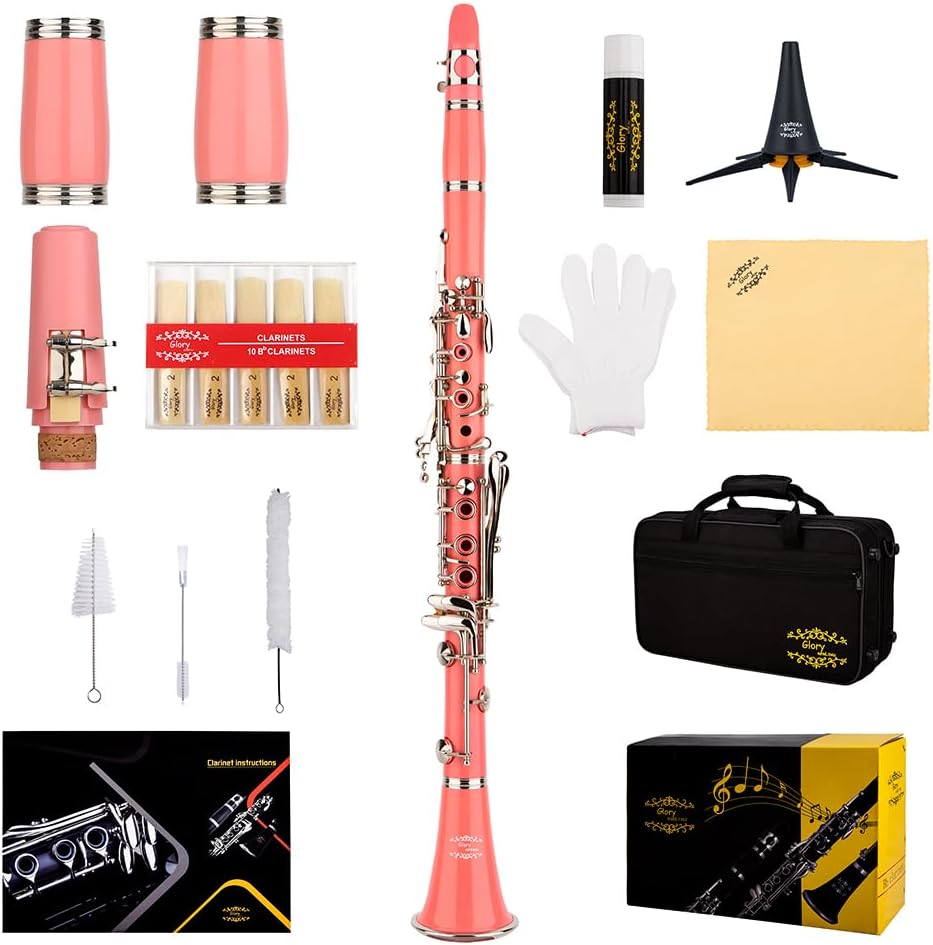
Glory GLY-CLAPK Professional Ebonite Bb Clarinet
An ebonite Bb clarinet that comes with 10 reeds, a stand and a hard case, so a player can try filed and unfiled reeds side by side.
- Case or gig bag included
- Key: Bb
- Body material: Ebonite
- Reeds included: 10
- 30-day warranty stated

EASTROCK Bb Clarinet 17Nickel Keys ABS Material
A Bb clarinet with 17 nickel keys and 2 replaceable barrels in a hard case, for fitting a filed or unfiled reed of the player's own choice.
- Case or gig bag included
- Key: Bb
- Body material: ABS
- Keys (on the body): 17

SONICAKE B Flat Clarinet for Beginner
A Bb clarinet with 2 barrels, reeds and a cleaning kit in a hard case, so a beginner can start with a reed in the box.
- Case or gig bag included
- Key: Bb
- Body material: Ebonite
- 90-day warranty stated
These come from our ranked list Best Clarinet, which compares them spec by spec.
Frequently asked questions
Can I use a filed reed and an unfiled reed on the same mouthpiece?
Yes. A filed and an unfiled reed of the same size fit the same mouthpiece, since the cut changes the vamp and not the shape of the reed. The difference is in how the reed responds, not in how it fits.
Does a filed reed wear out faster than an unfiled reed?
A reed wears out when the tip warps, splits or no longer holds its shape, and that happens with both cuts. Store reeds in a holder, rotate them, and replace a reed when it stops responding cleanly or feels rough at the tip.
Do filed reeds suit beginners better than unfiled reeds?
There is no cut that suits every beginner. A filed reed starts with less air, which some beginners find helpful, while an unfiled reed gives more resistance, which others prefer. Try both cuts at the same strength and keep the one that responds best on your mouthpiece.
What does the file do to the reed?
The file removes bark from the shoulders of the vamp, thinning the sides of the reed where it vibrates. That is the whole difference: the cane, the tip and the stock stay the same, and only the shoulders change.
Ranked clarinets lists
More how-to guides
Product details come from each Amazon listing and can change. Check the listing before you buy.