Best Studio Monitors for Video Editing (2026): 3 Picks Compared
Updated Oct 24, 2026 · By  Jonah Mercer · Ranked from listed specifications · How we rank
As an Amazon Associate I earn from qualifying purchases. Buying through the Amazon links on this page costs you nothing extra. Full disclosure
The Yamaha HS4 leads for best studio monitors for video editing, with a 4.5 inch woofer reaching 60Hz and room control plus high trim controls. XLR, TRS, RCA and stereo mini inputs cover any edit setup.
The picks at a glance
Which one should you buy?
- Editors who want room control and high trim: Yamaha HS4 Powered Studio Monitor in White See pick 1
- Editors who want RCA, XLR and USB inputs: Yamaha HS3 Powered Studio Monitor in White See pick 2
- Editors who want 50W in a 3.5 inch pair: Superlux BES3.5 50W Studio Monitor Speakers See pick 3
Want the full range? Best Studio Monitors ranks the top studio monitors for every buyer, or browse all 61 guides.
The 3 picks, ranked
1Best Overall

Yamaha HS4 Powered Studio Monitor in White
- Woofer size: 4.5 in, the largest here
- Power: 26 W
- Low-frequency reach (Hz): 60 Hz
- 1 year warranty stated
It earns Best Overall with a 4.5 inch woofer, 26W plus 26W of power and room control plus high trim controls.
Who it suits
- Editors who want room control and high trim
- Editors who want XLR, TRS and RCA inputs
Skip it if
- You want USB input
- You want a 3.5 inch woofer
The 2-way design pairs a 4.5 inch woofer with a 1 inch dome tweeter across 60Hz to 22kHz. Room control and high trim adjust the response, and cables plus an anti-slip pad are in the box. It weighs 15 lb and carries a 1-year warranty.
2Runner-Up

Yamaha HS3 Powered Studio Monitor in White
- Woofer size: 3.5 in
- Power: 26 W
- Low-frequency reach (Hz): 70 Hz
- 1 year warranty stated
It holds Runner-Up with a 3.5 inch woofer, 26W plus 26W of power and room control plus high trim controls.
Who it suits
- Editors who want RCA, XLR and USB inputs
- Editors who want a lighter 10.8 lb pair
Skip it if
- You want a 4.5 inch woofer
- You want TRS combo inputs
The 2-way bass-reflex design pairs a 3.5 inch woofer with a 0.75 inch dome tweeter across 70Hz to 22kHz. Output is 26W plus 26W. It weighs 10.8 lb and carries a 1-year warranty.
3Most Power

Superlux BES3.5 50W Studio Monitor Speakers
- Woofer size: 3.5 in
- Power: 50 W, the most here
- Low-frequency reach (Hz) not stated in the listing
- 1-year warranty stated
- 9.5 lb, the lightest here
It earns Most Power with 50W total output, a 3.5 inch woofer and front-panel volume plus rear HF and LF EQ.
Who it suits
- Editors who want 50W in a 3.5 inch pair
- Editors who want front-panel volume control
Skip it if
- You want a 4.5 inch woofer
- You want XLR inputs
A 3.5 inch woofer and a 1 inch silk-dome tweeter run on 50W total. Front-panel volume and rear HF/LF EQ tune the sound, and TRS, RCA and AUX inputs cover modern setups. It weighs 9.5 lb and carries a 1-year warranty.
Side by side
| Product | Woofer size | Power | Low-frequency reach (Hz) | Bluetooth | Weight | Warranty |
|---|---|---|---|---|---|---|
| Yamaha HS4 Powered Studio Monitor in White | 4.5 in | 26 W | 60 Hz | Not stated | 15 lb | 1 year |
| Yamaha HS3 Powered Studio Monitor in White | 3.5 in | 26 W | 70 Hz | Not stated | 10.8 lb | 1 year |
| Superlux BES3.5 50W Studio Monitor Speakers | 3.5 in | 50 W | Not stated | Not stated | 9.5 lb | 1-year |
How we ranked these studio monitors
Every pick has at least 100 customer ratings on Amazon and a listing with real specifications. The order mixes two things: how each model compares on the specs below (higher share of the best value in this group scores more), and how widely it is bought. The spec score runs from 9.0 to 9.8 and only compares these picks with each other. A spec the listing does not state is left out and the other specs are re-weighted; a listing with fewer than 2 stated specs is scored at half. We do not test gear in person. Full method.
- Woofer size weight 3
- Power weight 2
- Low-frequency reach (Hz) weight 2
- Bluetooth weight 1
Buying advice: studio monitors for video editing
Match inputs to your edit rig
The Yamaha HS4 takes XLR/TRS combo, RCA and stereo mini inputs. The Yamaha HS3 takes RCA, XLR and USB. The Superlux BES3.5 takes TRS, RCA and 1/8 inch AUX. Check which outputs your computer or audio interface has before choosing.
Use the EQ controls on board
All three picks have tone controls. The Yamaha HS4 and HS3 have room control and high trim response controls. The Superlux BES3.5 has front-panel volume plus rear HF/LF EQ for different room acoustics and speaker placements. Set them once for your desk position, then leave them.
Compare power and low end
The Superlux BES3.5 leads on power with 50W total. Both Yamahas run 26W plus 26W. The HS4 reaches 60Hz and the HS3 reaches 70Hz. Match the low end to the material you edit most. A lower reach shows more of the bass in dialogue and music, so check the frequency response figures before you decide.
Frequently asked questions
Can I connect these to a laptop?
Yes. The HS4 takes stereo mini and RCA, the HS3 takes USB and RCA, and the Superlux takes 1/8 inch AUX. All three list laptops as compatible devices.
Do these come as pairs?
Yes. The Yamaha HS4 and HS3 are packaged as pairs, and the Superlux BES3.5 is a 3.5-inch pair with one active and one passive speaker.
What cables are included?
The HS4 includes a stereo mini to RCA cable, a speaker cable and an anti-slip pad. The Superlux includes a 1.5 m TRS cable, a 2 m speaker cable and an AC power cable.
Which has the most power?
The Superlux BES3.5, with 50W total output. The Yamaha HS4 and HS3 each run 26W plus 26W.
Gear that goes with it
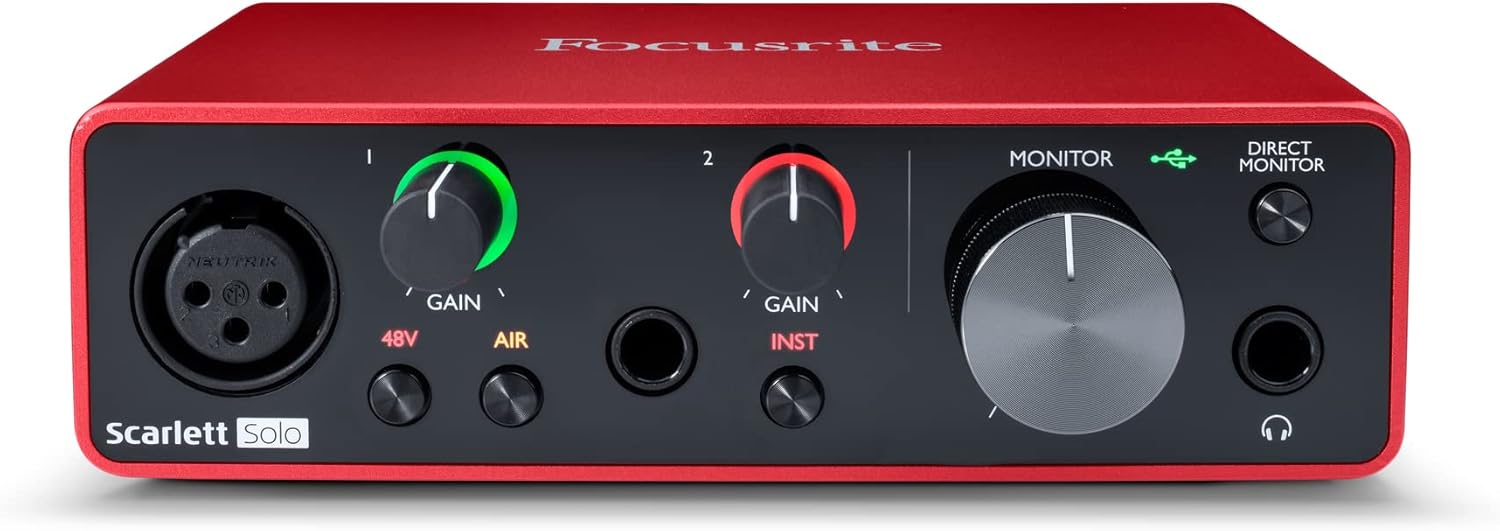 Best Audio InterfaceTop pick: Focusrite Scarlett Solo 3rd Gen USB-C Audio
 Best Acoustic FoamTop pick: SD SODOCT 24 Pack 2” Thick Pyramid Acoustic Foam
 Best Mixing HeadphonesTop pick: beyerdynamic DT 770 Pro Studio Headphones
More studio monitors guides
Specifications and availability come from each Amazon listing on Oct 24, 2026 and can change. Check the listing before you buy.