Harmonica Keys Explained
Updated Nov 11, 2026 · By  Jonah Mercer · Editorial policy
As an Amazon Associate I earn from qualifying purchases. Buying through the Amazon links on this page costs you nothing extra. Full disclosure
The key on a harmonica names the key it plays in. A diatonic harmonica is made in one key: one in the key of C plays in C, and one in the key of D plays in D. Of the four harmonicas here, three are in C and the Hohner Special 20 is in D.
What the key on a harmonica means
The letter on a harmonica names the key it plays in. The Fender, East top and EastRock harmonicas here are in the key of C, and the Hohner Special 20 is in the key of D. A diatonic harmonica is made in one key, so the key you buy is the key you play in. Check the key first when you compare harmonicas, because two harmonicas that look the same can be in different keys.
How to read the key before you buy
The key appears in the harmonica's name or title. The East top and EastRock harmonicas are sold in the key of C, the Fender Blues Deluxe is sold in the key of C, and the Hohner Special 20 is sold in the key of D. The listing lists the same letter under Instrument Key, so you can check the name against the table before you buy.
Why one harmonica covers one key
A diatonic harmonica is built in a single key. The three 10-hole diatonic harmonicas here are all in the key of C, and the Hohner Special 20 is in the key of D. That key is fixed when the harmonica is made, so it stays the same each time you pick the harmonica up. If you want to play in a different key, you need a harmonica made in that key.
Match the harmonica key to the music
When you play along with other players or a recording, the harmonica key needs to match the key of the music. Find out the key of the music first, then choose a harmonica in that same key. A harmonica in the key of C fits music in C, and a harmonica in the key of D fits music in D. If the music changes key, the harmonica needs to change too, so players who play in more than one key keep more than one harmonica.
What you need
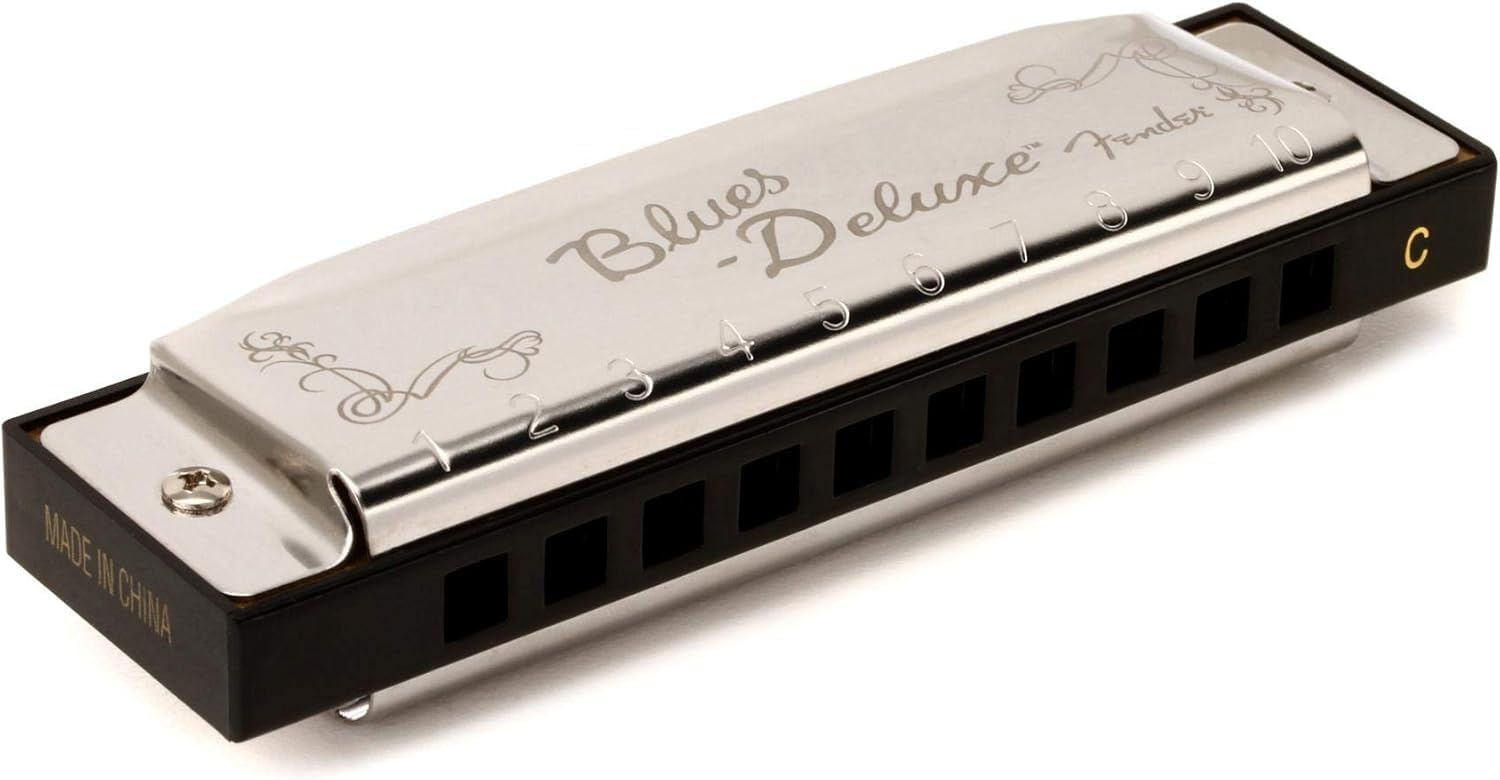
Fender Blues Deluxe Harmonica
A 10-hole diatonic harmonica in the key of C with brass reeds, a molded PVC comb and a holder included.
- Case or gig bag included
- Holes: 10
- Harmonica type: Diatonic
- Key: C
- Reed material: Brass
- 1 year warranty stated

East top Harmonica Key of C
A 10-hole diatonic harmonica in the key of C with phosphor bronze reeds, a plastic comb and a blue case.
- Case or gig bag included
- Holes: 10
- Harmonica type: Diatonic
- Key: C
- Reed material: Phosphor Bronze
- Comb material: Plastic
- 1-year warranty stated
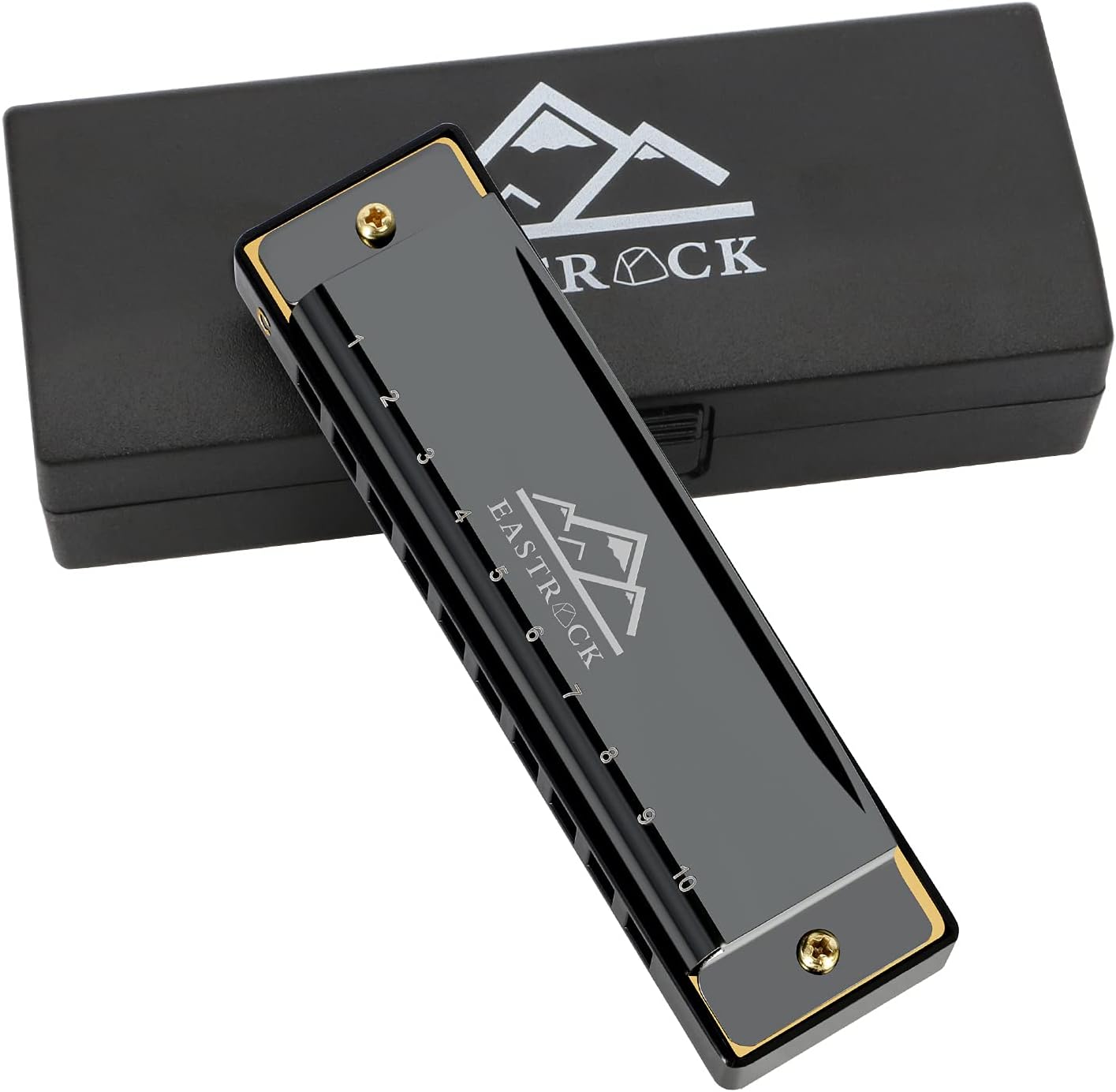
EastRock 10 Hole Blues Harmonica C Key
A 10-hole diatonic harmonica in the key of C with phosphor bronze reeds, a stainless steel cover and a case.
- Case or gig bag included
- Holes: 10
- Harmonica type: Diatonic
- Key: C
- Reed material: Phosphor Bronze

Hohner 560PBX Special 20 Harmonica
A Special 20 harmonica in the key of D with a plastic body and a case.
- Case or gig bag included
- Comb material: Plastic
- 90-day warranty stated
These come from our ranked list Best Harmonica, which compares them spec by spec.
Frequently asked questions
What does key of C mean on a harmonica?
It means the harmonica is made in the key of C. The Fender Blues Deluxe, the East top and the EastRock harmonicas here are all in the key of C, and each one plays in that key.
Can one harmonica play in every key?
No. A diatonic harmonica is made in one key, so the harmonica you hold plays in that key. To play in another key you need a harmonica made in that key.
How do I know which key my harmonica is?
The key is part of how the harmonica is sold: the Fender, East top and EastRock harmonicas here are in the key of C, and the Hohner Special 20 is in the key of D.
Ranked harmonicas lists
More how-to guides
Product details come from each Amazon listing and can change. Check the listing before you buy.